Working in Ethiopia with our partners
Traveling to the origin is always something special for us, but traveling to the “origin” of the coffee itself is a journey of another level.
Due to the pandemic and the ongoing civil war, our return to Ethiopia has been delayed for three years since the last time, so we were impatient and more than ready to meet again with our partners.
We linked this trip with the trip to Kenya, following the same project: to develop new recipes together with our partners. As always, our goal is to visit and work on the Farms and in the Washed Stations to improve the quality and control in all the Processes. In this way we make sure that we have an excellent production in our coffee lots.
We arrived in Addis Ababa to start our itinerary heading to the Dilla Zuria region in Gedeo, better known in the coffee world as Yirgacheffe. There we visit the Gola Washed Station, where they receive and process the coffee cherries that will later become our batches of Constellations Nihal coffees.
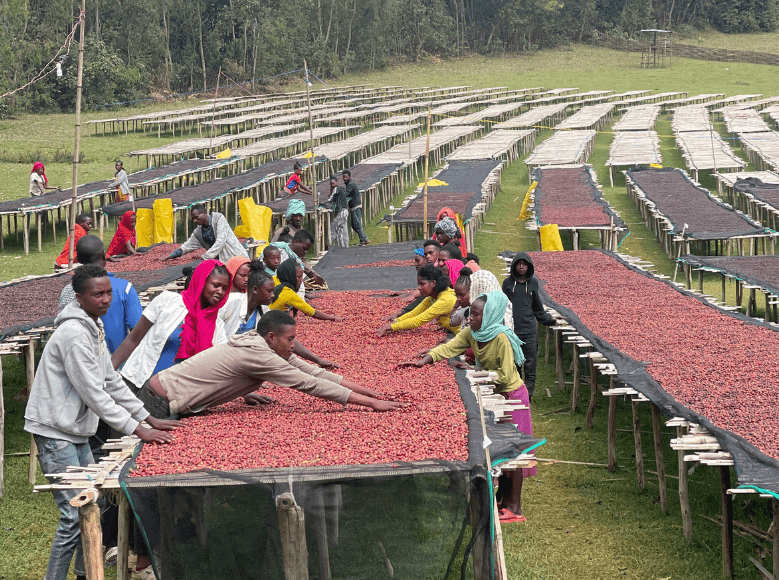
This Washed Station is responsible for receiving, sorting, grading, selecting and processing the Coffee cherries from the nearly 2,000 small producers in the Dilla Zuria region, making it a vital part of the supply chain.
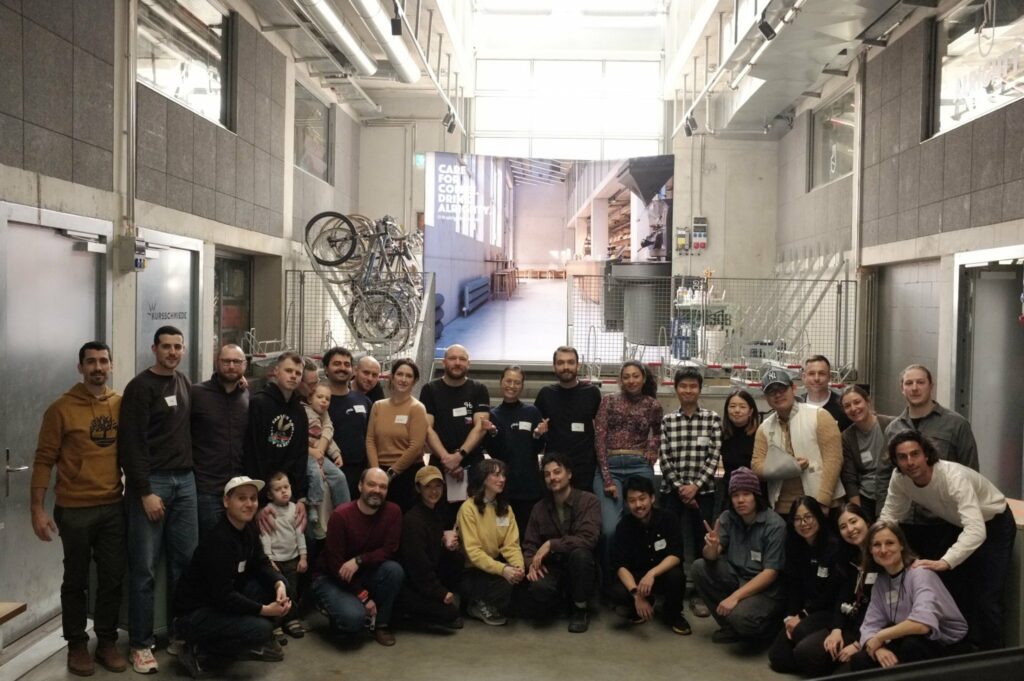
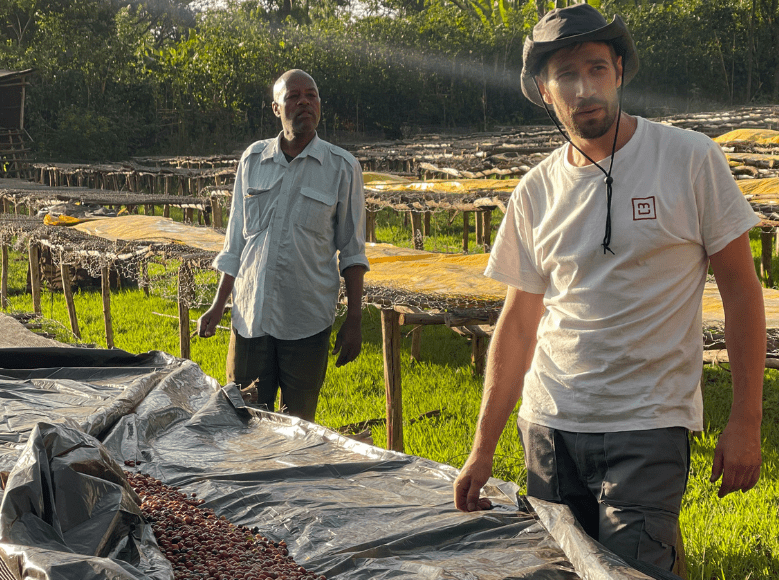
Upon our arrival, Asfarachew Teshome, head of the Gola Washed Station, and his team greeted us enthusiastically. Although we had worked together on our Nihal batches in previous years, this was our first visit to the Station, so we arrived eager to get our hands dirty and start fermenting coffee cherries.
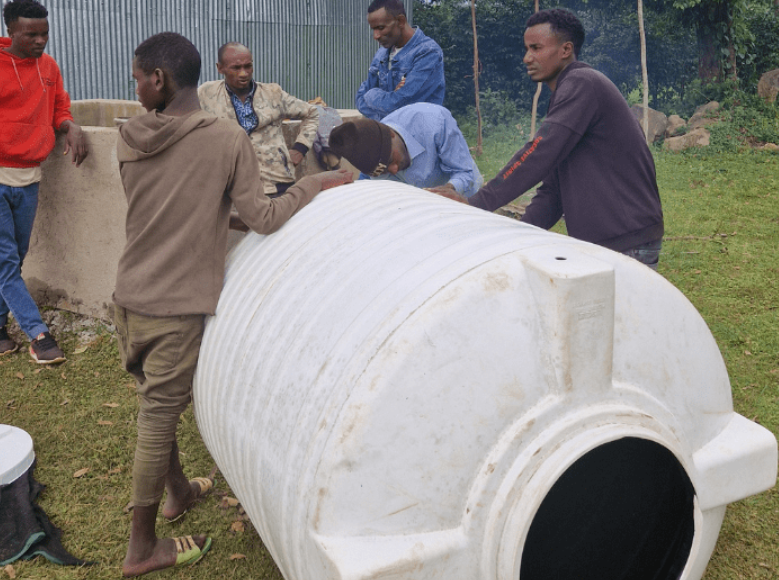
This year, in order to achieve more uniform fermentations, we installed a 1,000 liter fermentation tank to make our Anaerobic Vanguard Recipes in Sleeping Bag. The whole team worked hard to get the necessary materials and set everything up. When the tank was finished and full of cherries, the gurgling in the background was music to our ears as we went about our daily tasks.
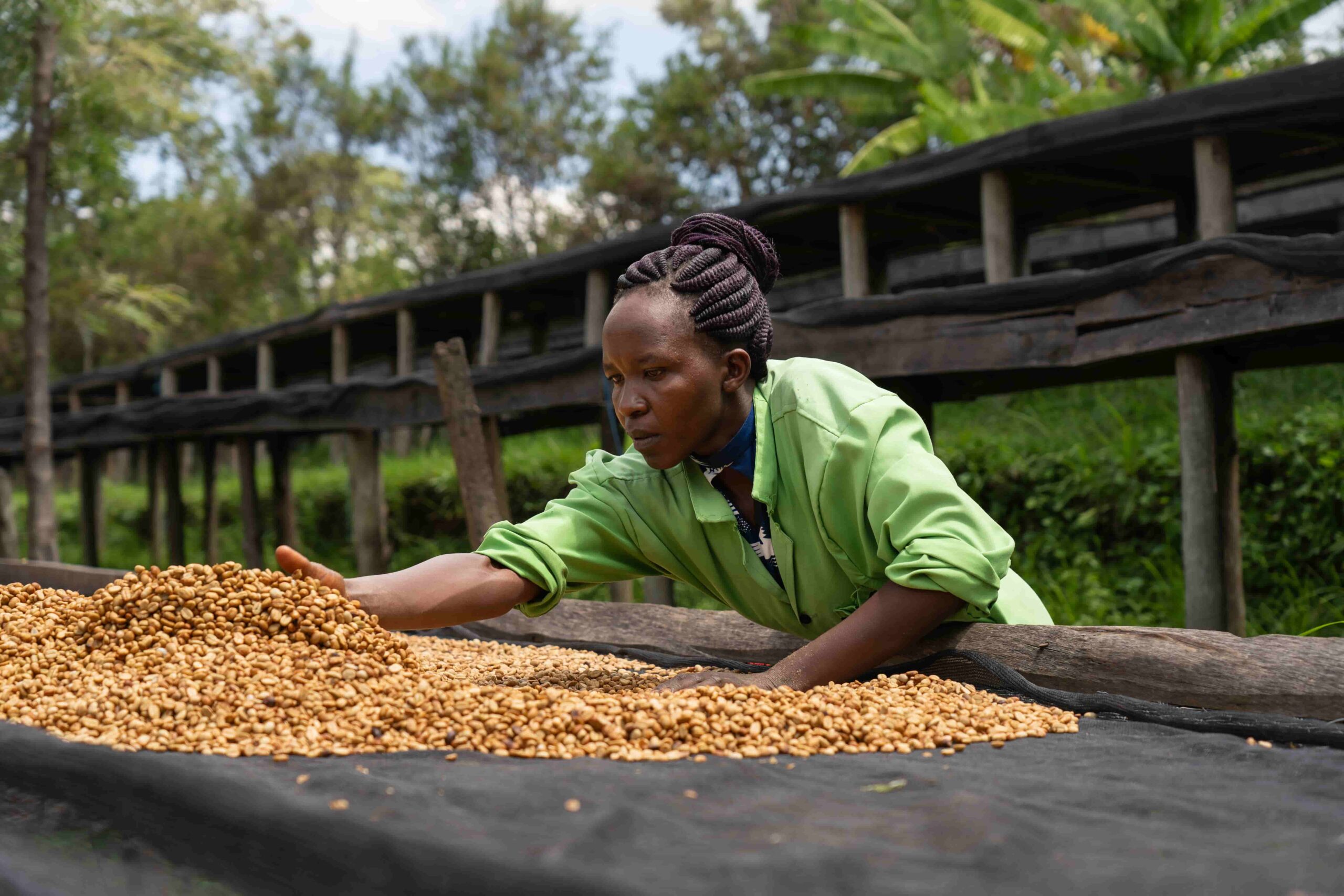
During our stay at Dilla Zuria we also worked with the team to emphasize the importance of the correct selection of cherries at each stage. Good washing stations work hand in hand with coffee growers to ensure the best results, and Gola’s is no exception. The coffee growers have to pick the cherries at the right time of ripening and make sure they arrive at the Washed station the same day or, at the latest, the next day. However, the high price of cherries at the time meant that some coffee growers prioritized quantity over quality, but thanks to the team’s tireless efforts, by the end of each day the dryers were a sea of bright red cherries. So come the summer of 2023, we will have amazing lots with personality that reflect both the region and the Process behind each batch of coffee.
After our days of work in the Yirgacheffe region, we continued our trip to the coffee district of Bensa, in Sidama, to visit one of our oldest partners in Ethiopia: the Daye Bensa Team..
Before embarking on the road trip to the Bensa district, south of Hawassa, we stopped at ‘Dukamo Coffee’, Kenean Dukamo’s new venture into the world of specialty coffee for one of the tastiest flat whites on the continent. Having visited many coffee shops, it is very inspiring for a coffee professional to see how the countries of origin blend their tradition and culture with specialty coffee.
The Gatta Farm and Washed Station was where we spent most of our time during our stay at Daye Bensa.
During the first day we immersed ourselves inn the preparation of our Sirius batches and we deepen our knowledge of the fermentations that we apply in our Author Processes: Amharic Mead (Tej) and Natural Tellabet (Teff).
But what are Tej and Teff?
The Tej is a sweet honey wine that used to be a drink of kings, although today everyone enjoys it on almost any occasion. The Teff is a local cereal, one of the basic ingredients of almost all Ethiopian dishes, including their bread called injera. No trip to Ethiopia is complete without injera to eat and a small bottle of Tej to go with it. As for coffee processing, both Tej and Teff contain different natural yeasts that we take advantage of in our recipes for fermenting the coffee cherries before drying.
After the success of our 1,000 liter fermentation tank at Gola Washed Station, we thought it would be a good opportunity to implement the same at Gatta Station in Bensa. So the next day we did it in Gatta. We took advantage of what we had learned before and what had worked best, so this time we set about getting the project underway and, before lunchtime arrived, we were ready to fill it with the day’s harvest.
The next day we continued our visits to the Abore Washed Station, the home of our Messier Washed Constellations Lots. The head of the Washed, Muse Beyene, delightfully took us around the rolling hillsides of Abore, an impressive site and well equipped for the development of Washed Coffee, which was evident just by looking at the sea of pale red and yellow parchment that covered the hillside.
We finished the day by visiting the Buncho Washed Station, a station through which two rivers flow and has its own waterfall. Here we met Manuel Ayel, the station manager and his entire team who showed us around the station and the great potential of this new space where we can develop some of our batches of Washed coffees with cutting edge processes such as DF and XL.
It was clear that our trip could not miss our visit to the Washed Station of Gafise, where one of our star batches are processed year after year, the Thor’s Helmet batches.
When we arrived Matiyos Mandoye, the station manager was waiting for us, he is a person with a lot of knowledge and experience in the sector, it shows in the coffees and in his team.
The last two Washed Stations we visited were Hamasho and Keramo, two Washed Stations in close proximity to each other, but far from everything else. At their highest points, at about 2,300 masl, these two stations have access to some of the last cherries picked from the Harvest. Due to the altitude of the terrain, the coffee trees have to work very hard to produce the cherries, and this effort means that the cherries naturally contain a higher sugar content, which is noticeable in the cup at the end. Our Coffee Phurud and Muliphein come from these two adjacent stations and villages.
Although the time we spent in Ethiopia could always be longer, we really feel that we have accomplished most of the goals we had set for this trip.
It will be very exciting for us to receive the sample batches in late spring, but if what we have seen so far is anything to go by, we are confident that we are going to have some amazing results this year!